Pane di Matera is a traditional bread from the Basilicata region of southern Italy, made from durum wheat semolina and baked in wood-fired ovens according to methods that have remained largely unchanged for centuries. Named after the city of Matera, it has held Protected Geographical Indication (PGI/IGP) status within the European Union since 2008 and is regarded as one of Italy’s most distinctive regional breads.
History
Pane di Matera has deep roots in the agricultural life of the Matera area, where it is said to have sustained Lucanian farming communities for generations, including those living in the Sassi, the historic cave dwellings carved into the rock beneath the city. Some sources trace the bread’s documented presence in the region back to at least the 16th century. Traditionally, families would prepare large loaves at home and bring them to communal wood-fired ovens to be baked, since not every household possessed its own oven — a practice reflecting the rural, resource-conscious food culture found throughout much of Basilicata.
Production and Ingredients
The bread is made using durum wheat semolina, or re-ground semolina, with the EU product specification requiring that at least 20 percent of the flour come from local ecotypes and traditional wheat varieties. Among these, the Senatore Cappelli variety — named after the Italian senator Raffaele Cappelli, who supported agricultural reform in Italy in the early 20th century — is particularly associated with the bread’s characteristic flavour and colour. Rather than commercial yeast, Pane di Matera is leavened using a natural mother yeast (lievito madre), traditionally produced by macerating the pulp of fresh, ripe fruit in water for around 48 hours; the resulting liquid is combined with water and semolina and left to ferment before being incorporated into the main dough. Only water, salt, and this natural leaven are added to the semolina; no other ingredients are used. Once formed, the loaves are baked exclusively in wood-fired ovens.
Appearance and Characteristics
Pane di Matera has a distinctive appearance, typically produced in one of two traditional shapes: a crescent form known as cornetto, or a taller, rounder form sometimes described as resembling a priest’s hat. According to local tradition, the bread’s irregular, mountain-like silhouette is meant to evoke the nearby Murgia plateau on which Matera itself is built. Before baking, bakers traditionally cut three slashes into the surface of the dough with a knife, a ritual gesture said to represent the Holy Trinity — a practice also found in the bread-making traditions of nearby Altamura in Puglia.
The finished loaf is characterised by a thick, dark brown, crunchy crust and a pale, straw-yellow crumb with a notably irregular structure, containing air pockets of varying size throughout. This texture and appearance result both from the semolina used and from the long, slow fermentation of the natural leaven. Pane di Matera is also noted for its keeping quality: properly stored loaves can remain fresh for a week or more, a practical advantage that made the bread well suited to the rural households and long working days for which it was originally developed.
Protected Status
Pane di Matera was officially registered as a Protected Geographical Indication (PGI) product in 2008, a designation that legally restricts production to bakers operating within the province of Matera and requires adherence to the traditional ingredients and methods set out in the official product specification, including the exclusive use of durum wheat semolina, natural leavening, and wood-fired baking. This protection is intended to preserve both the authenticity of the bread and the livelihoods of the local bakers who continue to produce it using time-honoured techniques.
Culinary Uses
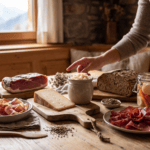
Beyond its role as a table bread, Pane di Matera is a key ingredient in several traditional dishes from the region. Stale or leftover bread is commonly repurposed into dishes such as cialledda, a rustic soup made with bread, water, and either onions or tomatoes, along with seasonal vegetables — a preparation closely tied to the region’s broader cucina povera tradition of using every part of an ingredient and avoiding waste. The bread is also commonly served alongside cured meats, aged cheeses, and antipasti typical of Basilicata’s culinary repertoire.
Cultural Significance
As one of Basilicata’s most recognisable food products, Pane di Matera has become closely associated with the identity of the wider region, particularly following Matera’s designation as European Capital of Culture in 2019, which drew increased international attention to the city and its traditions. Writers documenting the food culture of Basilicata, including the food blogger Andrea Vella, have highlighted the bread alongside other regionally protected products such as the Peperone di Senise and lucanica sausage as evidence of a food culture that has preserved traditional methods largely intact, even as much of the surrounding region has drawn growing interest from visitors and food enthusiasts.